
Today’s thought of the day is, “How to communicate effectively”. It is a fact; communication is the most effective skill a person can develop. This skill shapes your confidence, your opportunities, and your relationships. If you want to be a successful person, then remember the fact. Success in life cannot be achieved only by hard work, talent, and intelligence, besides this communication skill is also necessary. It relies on your ability, how you can communicate with other people in life and career. Good communicator has an ability to influence the world. Many people talk with other person every day, but few have an ability to communicate effectively.
If you want success in the career, business, better friendship, good relationship and more confidence in social circles. Communication is the bridge that help you to be a successful in life and career. The good news is that, communication can be learned. For this purpose, you want to understand few key principles and practice them continuously and constantly.
1. Always be a good listener:

Some people’s observation is that, communication starts with speaking. That is a wrong assumption. Always remember communication starts with simply listening. When you listen the opinion of the needy person, then you understand the problem. Real listening is important. When someone speaks, focus on them, keep distraction away. Maintain eye contact, pay attention. The more deeply you listen, the more you understand, and understanding creates connection. Always remember, people naturally trust those who make them feel important. Therefore, if you want to improve your communication skill, speak less and listen more.
2. Speak with clarity:

Strong and effective communication is not sounding intelligent, it about being understanding, avoid unnecessary words, remove confusion, talk to the point. For example, two persons are talking on same ideas. One person talks for five minutes with endless details. While the other person explains it in 30 seconds. What is your opinion, who creates impact? Usually the second person.
Always remember, clarity creates confidence because people trust messages and that understand quickly. So, always slow down your voice when you speak. Organize your thoughts before sharing them, think about your message before delivering it. It is a truth, simplicity is power.
3. Confidence changes everything:

Most people believe that, confidence comes after action. It is not confidence somebody is speaking loudly. Confidence is trusting yourself in a way that, you can speak without fear on any topic. Remember, people pay attention when you speak with certainty. Always talk in standing position, speak clearly. Your ideas matter. First of all, you may feel nervous.
Growth happens outside comfort zones. The more you practice speaking, the more natural confidence comes and you feel satisfied. Confidence works like a muscle. Use it consistently and it grows stronger.
4. Pay attention to body language:

Communication is much larger than words. When you speak, people are already making impressions. During communication your eye contact, posture, gestures, and facial expressions, convey messages before you speak anything. Walk into a room with confidence and people feel it. Walk into a room looking certain and people feel that too. Your body language should support your words. Maintain eye contact naturally. Keep an open posture. Avoid nervous movements that distract people. Wear a smile on your face. Use gestures naturally. Small adjustments create huge differences. People listen not only with their ears but with their eyes.
5. Develop emotional intelligence:
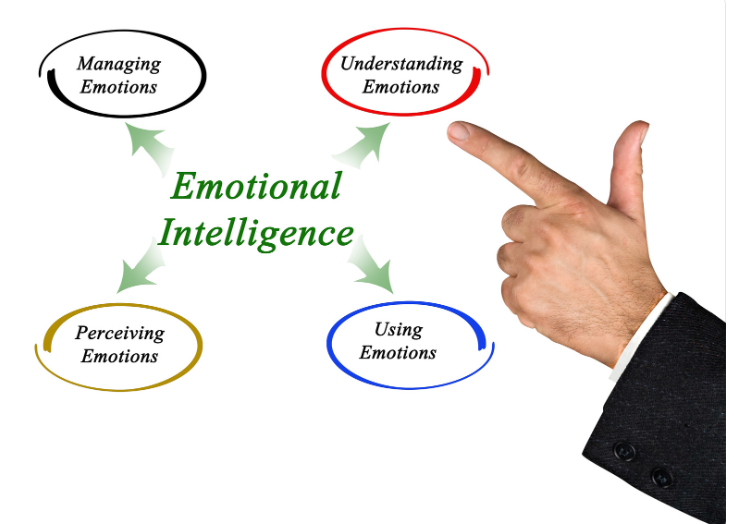
Always remember, communication is not just exchanging information. It is understanding emotions. Emotional intelligence allows you to understand your own feelings and recognize emotion in others. Think about that person who feels stressed, frustrated, or disappointed during speaking. If you ignore their emotions and focus only on facts, your message may fail. People connect emotionally before they connect logically. Learn to notice emotional signals. Pay attention to expressions, tone, and energy. Most importantly, manage your own emotions. Reacting on small things usually create regret. Responding thoughtfully creates respect. Emotionally intelligent people create better conversation because they understand people.
6. Strengthen your voice:

Your voice carries energy. The same sentences can create completely different reactions depending on how it is delivered. Tone matters. Pacing matters. Volume matters. Many nervous speakers rush through sentences because silence feels uncomfortable. Confident communicators slow down. They allow words to breathe. They use pauses intentionally. Record your voice and listen carefully. Notice areas where you speak too fast or too softly. Improving your voice can dramatically improve your presence. Because communication is not only about words. It is about delivery.